华文 | ENG 2/7/2026
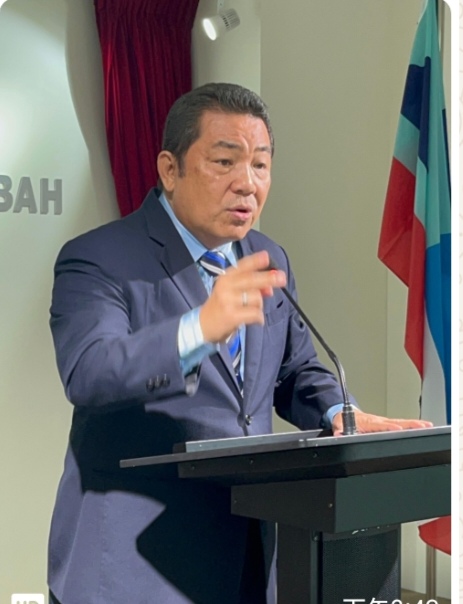
谭永福
里卡士州议员
谭永福表示,自联邦政府于上个月宣布落实BUDI柴油补贴计划,并规定柴油车辆每月仅可购买200公升受补贴柴油以来,他已接获大量来自民众及业者的投诉。
他指出,虽然BUDI柴油补贴计划允许公司名下的柴油车辆申请及购买受补贴柴油,但在实际执行过程中,沙巴许多企业却被排除在补贴机制之外,导致他们无法享有应有的补贴权益。
“问题在于,沙巴许多独资企业(Sole Proprietorship)并非向马来西亚公司委员会(SSM)注册,而是依据地方政府发出的营业执照合法经营。然而,BUDI柴油补贴计划的系统似乎只连接SSM资料库,导致这些持有地方政府营业执照的合法企业及其柴油车辆无法被系统识别。”
他说,事实上,这些独资企业的业主与车辆注册车主均为同一人,仅因注册制度不同,便被排除在补贴计划之外。这种情况明显不合理,也对合法经营的中小企业极不公平。
“许多中小企业高度依赖柴油车辆维持日常营运,一旦无法获得柴油补贴,营运成本将大幅增加,进一步加重业者的经济压力。”
他也指出,最令人无奈的是,许多商家在寻求协助时被不同部门来回推诿,犹如“踢皮球”一般。
“有商家前往国内贸易及生活成本部(KPDN)处理申请问题时,被告知必须前往陆路交通局(JPJ)更改商业注册车辆资料;然而当他们前往JPJ时,却又被告知相关问题应由KPDN负责处理。更令人失望的是,部分JPJ官员甚至以态度欠佳的方式回应,表示申请不到补贴并非该部门职责范围内的事务。”
“然而,截至今日,相关系统及程序仍未获得改善,受影响业者依然无法申请补贴。因此,我呼吁财政部立即采取行动,尽快解决系统与资料对接问题,确保所有符合资格的业者都能够获得应有的柴油补贴。”
与此同时,他也质问沙巴州政府对于BUDI柴油补贴计划在沙巴落实的立场。
他进一步指出,现任国内贸易及生活成本部长本身也是沙巴领袖。
“既然沙巴人民已经提出如此多的投诉与不满,为何部长没有代表沙巴人民据理力争,向联邦政府争取调整相关政策,以减轻人民和商家的负担?”
谭永福表示,他早前已亲自向KPDN总监反映有关问题,并获告知相关问题将尽快获得处理及解决。
谭永福强调,联邦政府在制定补贴政策时,必须充分考虑沙巴特殊的地理环境、长距离交通需求以及道路基础设施等现实因素,制定更符合沙巴实际情况的补贴机制。
“面对人民普遍反映的问题,州政府为何没有明确表达反对意见?为何没有积极向联邦政府反映沙巴人民面对的实际困难?”
他最后强调,政府应将更多资源与精力放在打击柴油走私活动及加强执法工作上,而不是透过限制合法商家及普通民众购买柴油的方式,增加人民的不便与生活压力。
“真正需要被严厉打击的是柴油走私集团,而不是奉公守法、依法经营的商家和普通人民。”
Likas Assemblyman Tham Yun Fook said he has received numerous complaints from members of the public and business operators since the Federal Government announced the implementation of the BUDI Diesel Subsidy Scheme last month and imposed a limit of 200 litres of subsidised diesel per month for diesel-powered vehicles.
He pointed out that although the BUDI Diesel Subsidy Scheme allows company-owned diesel vehicles to apply for and purchase subsidised diesel, many businesses in Sabah have been excluded from the subsidy mechanism in practice, preventing them from enjoying the benefits they are entitled to.
“The issue is that many sole proprietorships in Sabah are not registered with the Companies Commission of Malaysia (SSM), but instead operate legally under business licences issued by local authorities. However, the BUDI Diesel Subsidy system appears to be linked only to the SSM database, resulting in legitimate businesses operating under local authority licences and their diesel vehicles being unrecognised by the system.”
He said that in reality, the owners of these sole proprietorships and the registered owners of the vehicles are often the same individuals. Yet, solely because of differences in registration systems, they have been excluded from the subsidy scheme.
“This situation is clearly unreasonable and highly unfair to law-abiding small and medium-sized enterprises (SMEs). Many SMEs rely heavily on diesel vehicles for their daily operations. Without access to subsidised diesel, their operating costs will increase significantly, placing additional financial burdens on them.”
Tham also highlighted the frustration faced by affected business owners who have been passed back and forth between government departments without any clear resolution.
“Some business owners who approached the Ministry of Domestic Trade and Cost of Living (KPDN) for assistance were told to visit the Road Transport Department (JPJ) to amend their commercial vehicle registration details. However, when they went to JPJ, they were informed that the matter fell under KPDN’s jurisdiction. Even more disappointing was that some JPJ officers responded poorly, stating that the inability to obtain the subsidy was not the department’s responsibility.”
Tham said he had personally raised the matter with the Director of KPDN Sabah and was assured that the issue would be addressed promptly.
“However, to this day, the system and procedures remain unchanged, and affected business owners are still unable to apply for the subsidy. Therefore, I urge the Ministry of Finance to take immediate action to resolve the system integration and data-matching issues so that all eligible businesses can receive the diesel subsidy they rightfully deserve.”
He stressed that Sabah has a vastly different geographical and economic landscape from Peninsular Malaysia, and that the Federal Government should not adopt a one-size-fits-all approach when formulating subsidy policies.
“The Government must take into account Sabah’s unique geographical conditions, long-distance transportation requirements, and infrastructure challenges in designing a subsidy mechanism that better reflects the realities on the ground in Sabah.”
At the same time, he questioned the Sabah State Government’s position regarding the implementation of the BUDI Diesel Subsidy Scheme in Sabah.
“Why has the State Government not clearly voiced its objections to the policy despite the widespread concerns raised by the people? Why has it not actively conveyed the difficulties faced by Sabahans to the Federal Government?”
He further noted that the current Minister of Domestic Trade and Cost of Living is himself a Sabahan leader.
“With so many complaints and concerns being raised by the people of Sabah, why has the Minister not stood up and strongly represented Sabah’s interests by urging the Federal Government to review and adjust this policy in order to reduce the burden on the people and businesses?”
Tham emphasised that the Government should focus more resources and effort on combating diesel smuggling and strengthening enforcement operations, rather than restricting the ability of legitimate businesses and ordinary citizens to purchase diesel, thereby creating unnecessary inconvenience and hardship.