沙巴人不应为地理距离付出更高代价.
沈飛促联邦政府检讨机票政策,为沙巴制定“公平机票机制”
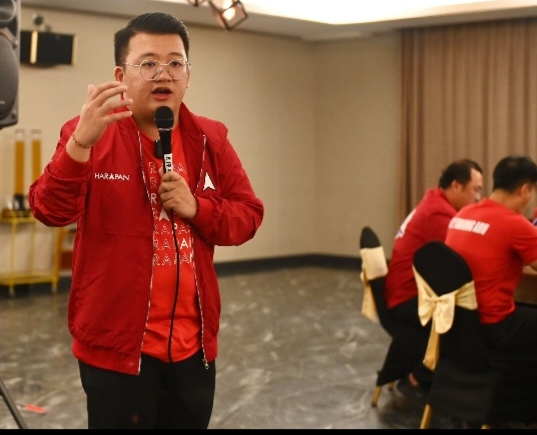
亚庇讯: 自由民主党(LDP)中央副主席兼N.20亚庇区部主席沈飛太平局绅呼吁联邦政府及交通部,正视近期国内航班机票价格高涨的问题,并尽快检讨涉及沙巴的航空票价政策,以回应越来越多沙巴人民对高昂机票所表达的不满与无奈。
沈飛指出,由于沙巴特殊的地理位置,航空交通对沙巴人民而言,并不能单纯被视为一般商业或旅游消费,而是许多人往返东、西马之间不可或缺的基本交通需求。
对沙巴人而言,搭飞机很多时候不是享受,而是生活上的需要。我们无法开车或乘搭火车前往吉隆坡。学生需要回校求学、游子需要回乡探亲、人民需要跨海工作和就医,企业也依赖稳定及合理的航空交通维持经济往来。”
“沙巴人民不应该因为隔着一片南中国海,就必须为地理距离付出更高昂的代价。”
沈飛欢迎联邦政府目前在佳节期间实施机票补贴措施,包括在特定佳节时段,为符合条件、从西马飞往沙巴、砂拉越及纳闽的单程经济舱基本票价设定最高499令吉的机制。
然而,他认为有关措施不应只局限于佳节前短短数天,而应该进一步检讨,并研究建立一个更全面及长期的“沙巴公平机票机制”(Fair Airfare Framework for Sabah)。
“我们感谢政府在佳节期间采取干预措施,但机票暴涨的问题并非只发生在佳节前几天。学校假期、公共假期、长周末以及其他旅游高峰期,同样可能出现令人难以负担的机票价格。”
因此,沈飛促请交通部长陆兆福及交通部研究以下措施:
- 重新检讨现有佳节机票补贴机制,并研究在学校假期及机票异常高涨的高峰期扩大适用范围。
- 研究落实双向保障机制,让从沙巴飞往西马的人民在有需要时也能获得相应保障,而非主要集中在西马返回沙巴的航班。
- 建立透明的机票价格监督及介入机制,当主要国内航线票价超出合理水平时,政府能够及时采取适当措施。
- 与航空公司协调增加航班及座位供应,特别是在需求高峰期,提高沙巴往返主要城市的运力。
- 研究针对性机票援助计划,尤其协助在西马求学的沙巴学生、低收入家庭,以及其他高度依赖航空交通的群体。
沈飛强调,LDP并非要求航空公司亏本经营,也不是要求联邦政府补贴每一张机票。
“我们要求的是一个公平、合理及符合沙巴地理现实的机制。”
“航空公司的商业可持续性固然重要,但政府也必须在商业利益与人民基本交通需求之间取得合理平衡。”
他进一步指出,沙巴与西马之间合理及可负担的航空交通,不仅关系到民生,也涉及国家融合、经济发展以及马来西亚联邦内部人民自由流动的重要课题。
“马来西亚是一个联邦国家。我们不能让地理距离成为沙巴人民追求教育、就业、医疗、商业机会以及与家人团聚的经济障碍。”
“因此,我促请联邦政府,特别是交通部,与沙巴州政府、航空公司及相关利益单位展开认真讨论,为沙巴制定一个更长期、更公平及更透明的机票机制。”
“沙巴人民不是要求特殊待遇,我们要求的只是公平待遇。”
“是时候让国家航空政策真正正视沙巴的地理现实,也让每一名沙巴人能够以更合理的价格,与马来西亚其他地区保持联系。”
沈飛太平局绅(Sim Fui, JP)
自由民主党(LDP)副主席
LDP N.20 亚庇区部主席
——-
Sabahans Should Not Pay a Geographical Penalty — Federal Government Must Review Fair Airfare Scheme for Sabah
KOTA KINABALU: Liberal Democratic Party (LDP) Vice President cum N.20 Api Api Division Chairman Sim Fui, JP has called on the Federal Government and the Ministry of Transport to urgently review domestic airfare policies affecting Sabah, following growing concern and frustration among Sabahans over increasingly high airfares, particularly during peak travel periods.
Sim said affordable air connectivity should not be treated merely as a commercial issue because Sabah’s geographical position makes air travel an essential mode of transportation for many Sabahans travelling between East and West Malaysia.
“For Sabahans, flying is often not a luxury, it is a necessity. We cannot drive or take a train to Kuala Lumpur. Students need to return to university, families need to reunite, workers need to travel for employment, patients may need medical treatment, and businesses depend on reliable connectivity.
Sabahans should not be made to pay a geographical penalty simply because we live across the South China Sea.”
Sim welcomed the Federal Government’s existing festive-season airfare subsidy initiative, including the maximum RM499 one-way economy base fare for eligible flights from Peninsular Malaysia to Sabah, Sarawak and Labuan during specified festive periods.
However, he said the existing mechanism should now be reviewed and expanded into a more comprehensive and sustainable Fair Airfare Framework for Sabah, rather than providing relief only during a limited number of festive travel days.
“We appreciate the Government’s intervention during festive seasons, but the problem of high airfares is not limited to four days before a festival. Sabahans also face significant increases during school holidays, long weekends and other peak periods throughout the year.”
Sim therefore urged Transport Minister Anthony Loke and the Ministry of Transport to consider several measures, including:
- Reviewing the existing festive airfare subsidy mechanism and considering its extension to other exceptionally high-demand periods.
- Introducing two-way protection, so Sabahans travelling from Sabah to Peninsular Malaysia can also benefit where appropriate, rather than focusing primarily on flights returning from Peninsular Malaysia to Sabah.
- Establishing a transparent airfare monitoring and intervention mechanism when fares on essential domestic routes rise beyond reasonable levels.
- Working with airlines to increase flight frequencies and seat capacity between Sabah and major destinations during periods of high demand.
- Studying targeted airfare assistance for Sabah students studying in Peninsular Malaysia, lower-income families and other groups who depend heavily on domestic air connectivity.
Sim stressed that LDP is not asking airlines to operate at a loss or calling for the Government to subsidise every airline ticket.
“What we are asking for is fairness and a practical mechanism that recognises Sabah’s unique geographical circumstances.
There must be a balance between commercial sustainability for airlines and the right of Malaysians in Sabah to have reasonable and affordable connectivity with the rest of the country.”
He added that affordable air connectivity between Sabah and Peninsular Malaysia should also be regarded as an important component of national integration, economic development and mobility within the Federation.
“Malaysia is one Federation. Physical distance should not become an economic barrier separating Sabahans from opportunities, education, employment and their families.
I therefore urge the Federal Government, particularly the Ministry of Transport, to engage with the Sabah Government, airlines and relevant stakeholders to develop a longer-term Fair Airfare Framework for Sabah.
Sabahans are not asking for special treatment. We are asking for fair treatment.
It is time that our national aviation policy properly recognises the geographical realities faced by the people of Sabah.”
Sim Fui, JP
Vice President
Liberal Democratic Party (LDP)
Chairman, LDP N.20 Api Api Division
——-
Rakyat Sabah Tidak Seharusnya Membayar Harga Lebih Tinggi Kerana Faktor Geografi.
Sim Fui Gesa Kerajaan Persekutuan Kaji Semula Dasar Tambang dan Wujudkan “Mekanisme Tambang Penerbangan Adil untuk Sabah”
KOTA KINABALU: Naib Presiden Parti Liberal Demokratik (LDP) merangkap Pengerusi Bahagian N.20 Api Api, Sim Fui, JP, menggesa Kerajaan Persekutuan dan Kementerian Pengangkutan supaya segera meneliti isu kenaikan tambang penerbangan domestik yang semakin membebankan rakyat Sabah, khususnya ketika musim puncak perjalanan.
Sim berkata, disebabkan kedudukan geografi Sabah, perjalanan udara tidak boleh dilihat semata-mata sebagai pilihan komersial atau untuk tujuan pelancongan. Bagi ramai rakyat Sabah, ia merupakan satu keperluan asas untuk bergerak antara Sabah dan Semenanjung Malaysia.
“Bagi rakyat Sabah, menaiki kapal terbang selalunya bukan satu kemewahan, tetapi satu keperluan. Kita tidak boleh memandu atau menaiki kereta api ke Kuala Lumpur. Pelajar perlu kembali ke universiti, keluarga perlu bertemu, rakyat perlu melakukan perjalanan untuk bekerja dan mendapatkan rawatan, manakala sektor perniagaan pula bergantung kepada hubungan udara yang cekap dan mampu milik.
“Rakyat Sabah tidak seharusnya terpaksa membayar ‘harga geografi’ yang lebih tinggi hanya kerana kita dipisahkan oleh Laut China Selatan.”
Sim menyambut baik langkah Kerajaan Persekutuan menyediakan subsidi tambang penerbangan sempena musim perayaan, termasuk mekanisme tambang asas ekonomi sehala maksimum RM499 bagi penerbangan yang layak dari Semenanjung Malaysia ke Sabah, Sarawak dan Labuan dalam tempoh perayaan tertentu.
Bagaimanapun, beliau berpandangan mekanisme tersebut perlu dikaji semula dan diperluaskan kepada satu dasar yang lebih menyeluruh dan mampan melalui “Mekanisme Tambang Penerbangan Adil untuk Sabah” (Fair Airfare Framework for Sabah).
“Kita menghargai campur tangan Kerajaan ketika musim perayaan. Namun, masalah kenaikan tambang bukan hanya berlaku beberapa hari sebelum perayaan. Rakyat turut berdepan tambang tinggi ketika cuti sekolah, cuti umum, hujung minggu panjang dan musim perjalanan puncak yang lain.”
Sehubungan itu, Sim menggesa Menteri Pengangkutan, Anthony Loke, dan Kementerian Pengangkutan mempertimbangkan beberapa langkah utama:
- Mengkaji semula mekanisme subsidi tambang musim perayaan dan mempertimbangkan peluasan perlindungan kepada tempoh permintaan luar biasa tinggi seperti cuti sekolah.
- Memperkenalkan perlindungan dua hala, supaya rakyat yang melakukan perjalanan dari Sabah ke Semenanjung Malaysia turut mendapat manfaat yang sewajarnya apabila diperlukan.
- Mewujudkan mekanisme pemantauan dan intervensi tambang yang telus, khususnya apabila tambang bagi laluan domestik utama meningkat melebihi paras yang munasabah.
- Bekerjasama dengan syarikat penerbangan untuk meningkatkan kekerapan penerbangan dan kapasiti tempat duduk antara Sabah dan destinasi utama ketika musim permintaan tinggi.
- Mengkaji bantuan tambang bersasar kepada pelajar Sabah yang belajar di Semenanjung Malaysia, keluarga berpendapatan rendah serta golongan lain yang sangat bergantung kepada pengangkutan udara.
Sim menegaskan bahawa LDP tidak meminta syarikat penerbangan beroperasi dalam kerugian, dan bukan juga meminta Kerajaan menanggung subsidi bagi setiap tiket penerbangan.
“Apa yang kita minta adalah keadilan dan satu mekanisme praktikal yang mengambil kira realiti geografi Sabah.”
“Kemampanan komersial syarikat penerbangan perlu dihormati, tetapi pada masa yang sama perlu ada keseimbangan dengan keperluan rakyat Sabah untuk menikmati hubungan udara yang munasabah dan mampu milik.”
Beliau berkata isu tambang penerbangan juga perlu dilihat daripada perspektif yang lebih luas kerana hubungan udara yang mampu milik antara Sabah dan Semenanjung Malaysia mempunyai kepentingan terhadap integrasi nasional, pembangunan ekonomi serta mobiliti rakyat dalam Persekutuan Malaysia.
“Malaysia adalah sebuah Persekutuan. Jarak geografi tidak sepatutnya menjadi halangan ekonomi yang memisahkan rakyat Sabah daripada peluang pendidikan, pekerjaan, rawatan kesihatan, aktiviti ekonomi dan keluarga mereka.
“Saya menyeru Kerajaan Persekutuan, khususnya Kementerian Pengangkutan, supaya berbincang dengan Kerajaan Negeri Sabah, syarikat penerbangan dan semua pihak berkepentingan untuk membangunkan satu mekanisme tambang penerbangan yang lebih adil, telus dan mampan untuk Sabah.
Rakyat Sabah bukan meminta layanan istimewa. Kita hanya meminta layanan yang adil.
“Sudah tiba masanya dasar penerbangan negara benar-benar mengambil kira realiti geografi dan keperluan rakyat Sabah.”
Sim Fui, JP
Naib Presiden
Parti Liberal Demokratik (LDP)
Pengerusi LDP Bahagian N.20 Api Api